5 Unlikely hidden gems in Europe
The continent of Europe boasts some of the world’s most infamous attractions, with cities like Rome, Paris, and Lisbon collectively attracting hundreds of millions of visitors annually.
While these cities earn notoriety from their uniquely rich cultures, dense crowds, pollution, and long wait times can make popular attractions less than Pinterest perfect—and a breeding ground for potentially disappointing experiences.
To break away from mainstream cities or simply add a splash of colour to your itinerary, I’ve devised a list of five lesser-known destinations that are easily accessible from popular European destinations within Spain, France, Switzerland, and Portugal.
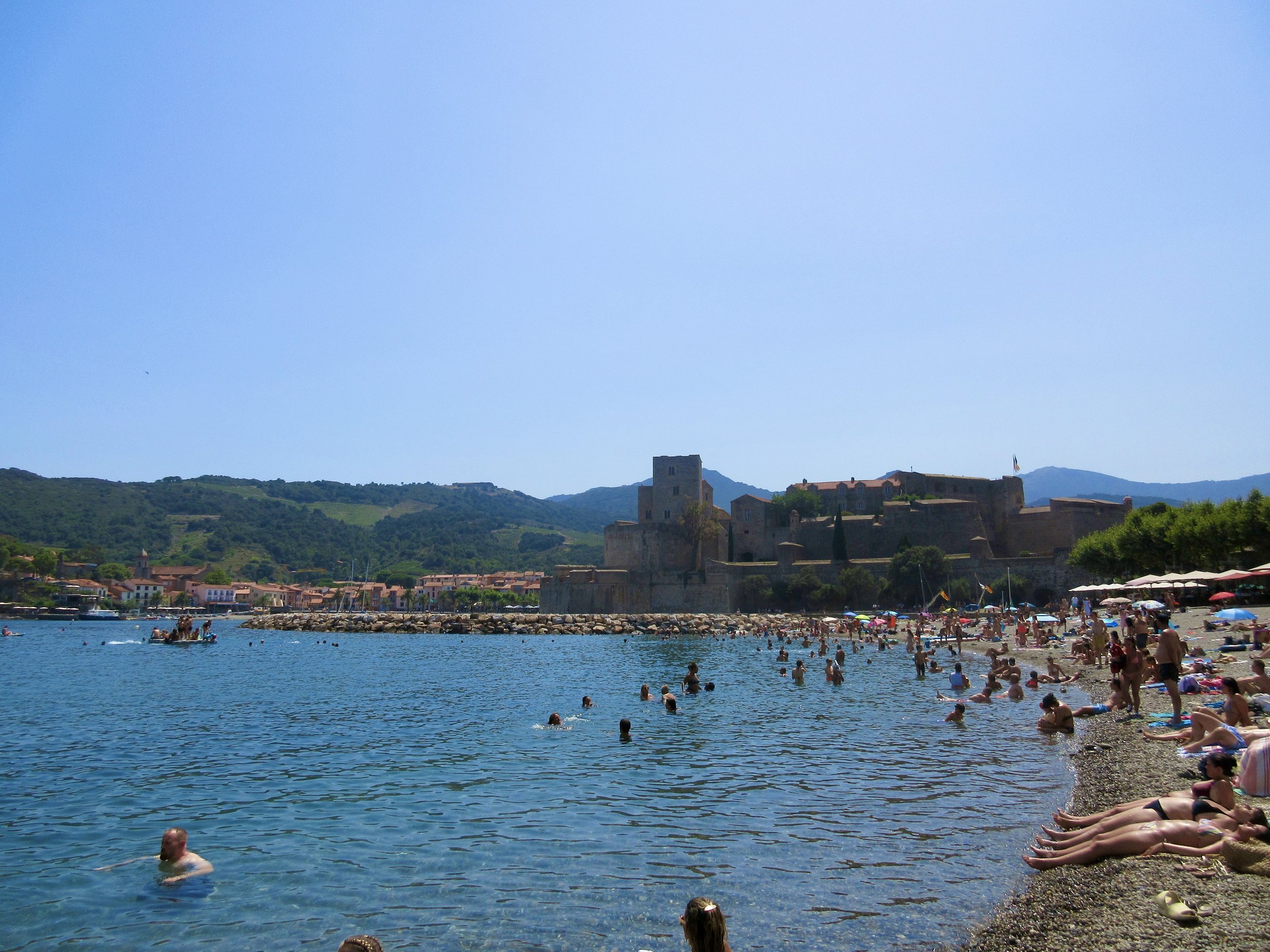
1. Collioure, France.
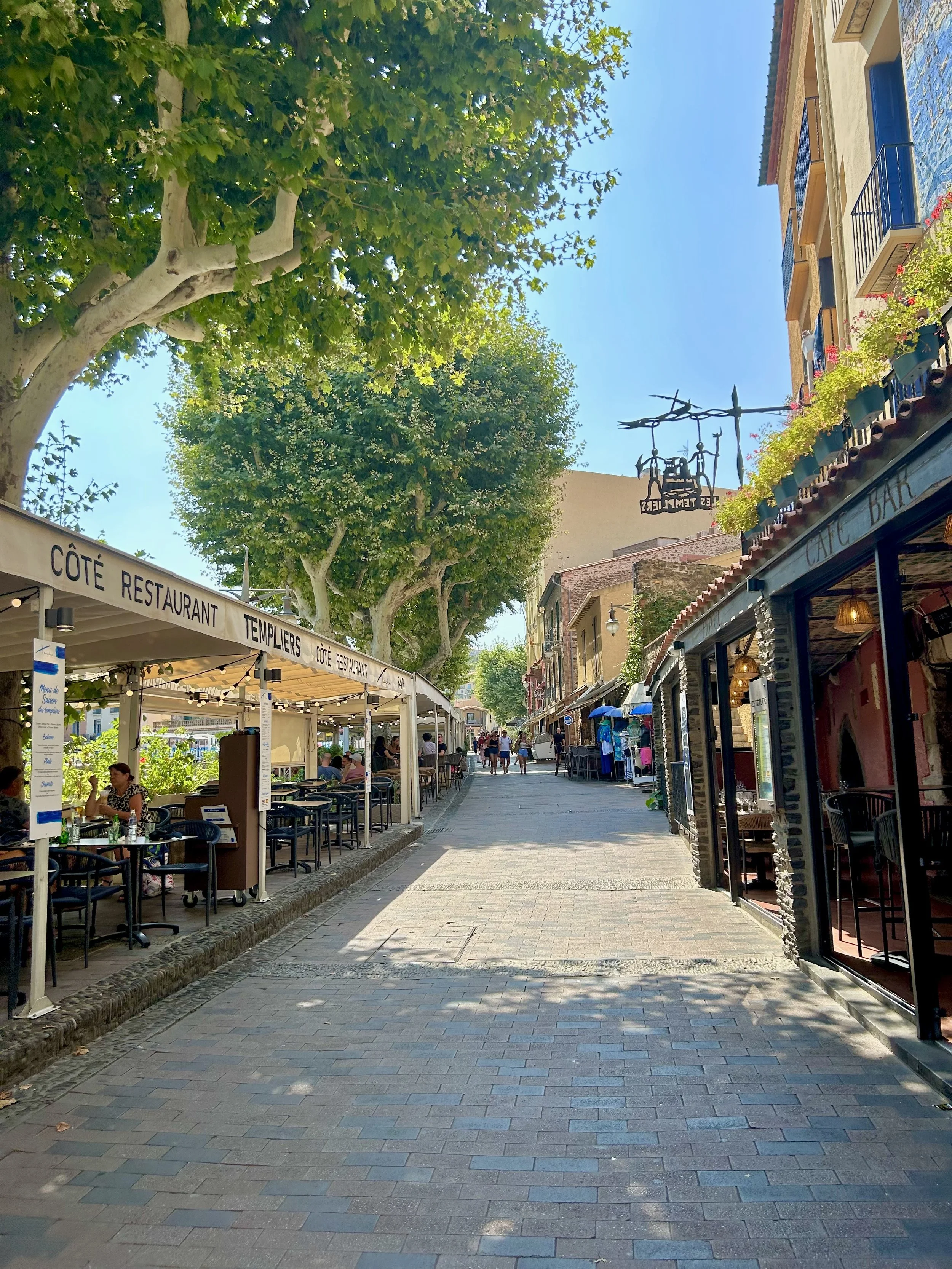
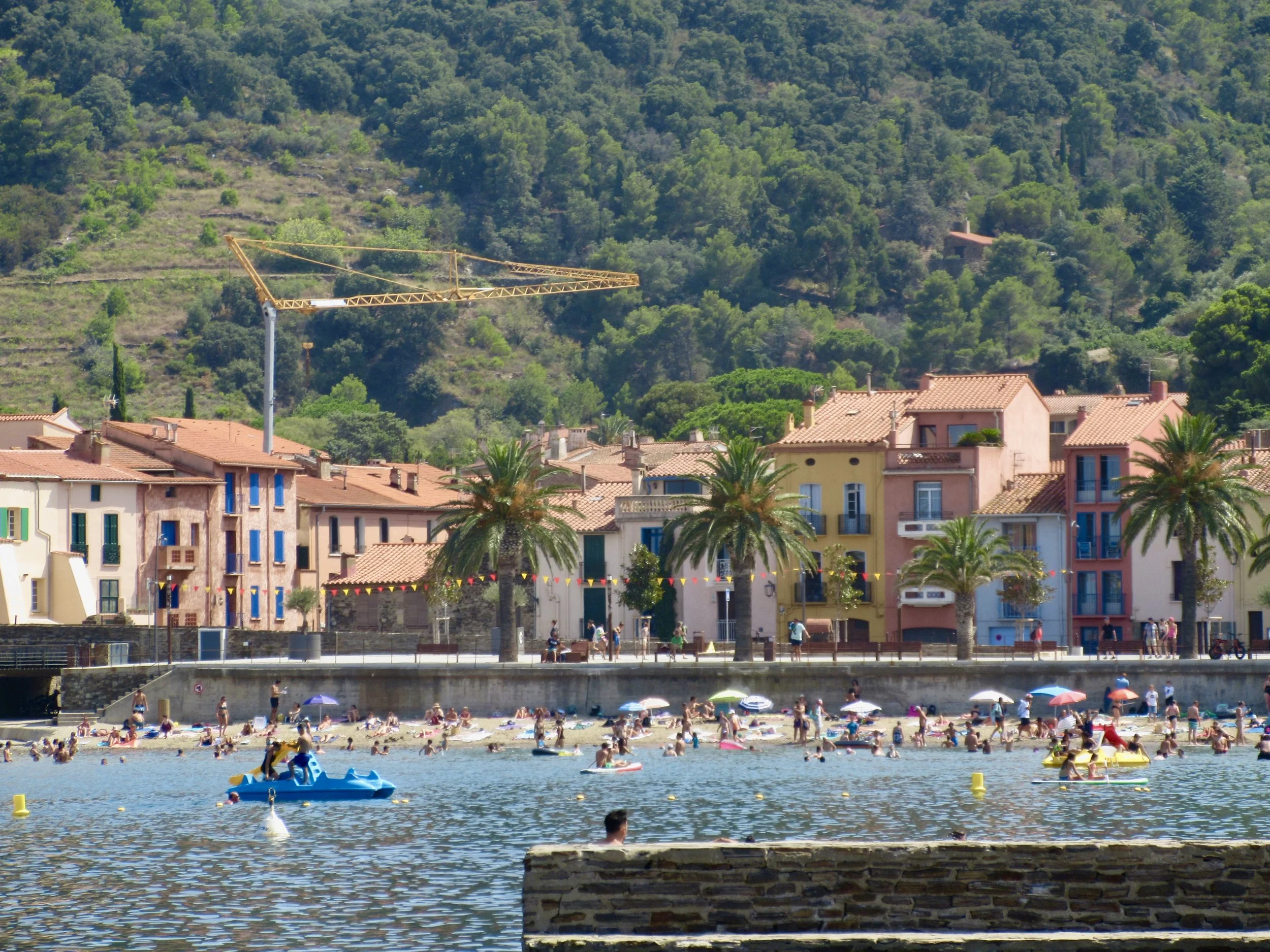
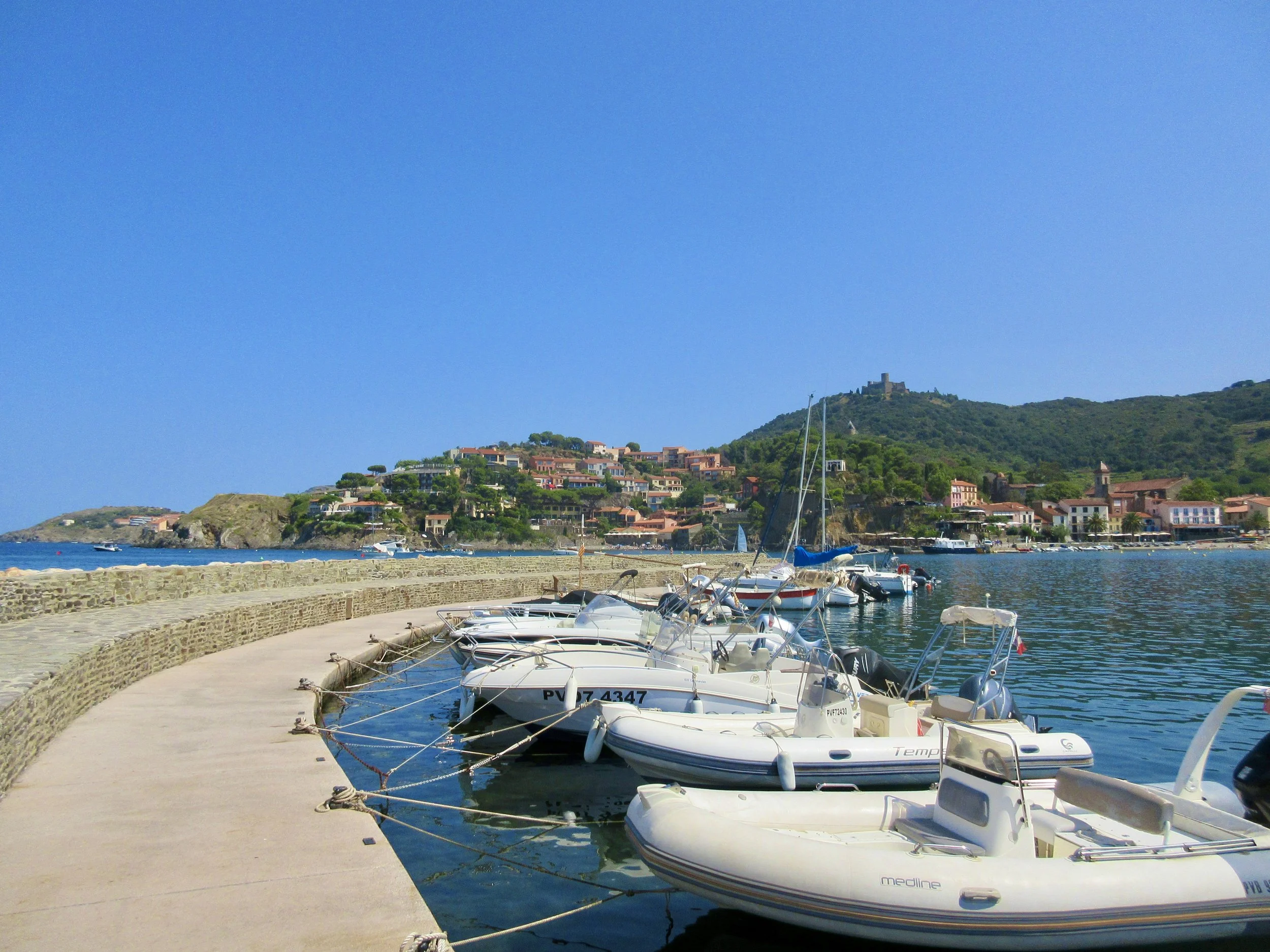
Collioure is a charming amalgamation of French and Spanish culture, located roughly an hour and a half away from Barcelona by train, and two hours by car. Pebbled beaches with views of medieval castles make this fishing town uniquely picturesque, located in southern France on the Côte Vermeille region.
Looking beyond fishing and sail boats, you’ll also spot Château Royal de Collioure, a castle constructed in the 8th century, open for visitors to explore breathtaking views of the olive trees, vineyards, and lavender fields surrounding Collioure.
Closer to the town center, Our Lady of the Angels Church extends in a light-house shape, complimenting the seaside quaintness of Collioure.
Proximity to an extensive selection of quintessential French crops makes this fishing town an excellent spot to sample locally mulled wine, sardines, and firm Tommas des Pyrenees cheese.
If you find yourself with extra free time on your way to or from Collioure, make a pitstop in Girona, in the Catalonia region of Spain.
Home to a grand cathedral, famously featured in Game of Thrones, the Spanish city has often been compared to Vienna for its bridge overlooking brightly coloured apartment buildings.
2. Costa da Caparica, Portugal
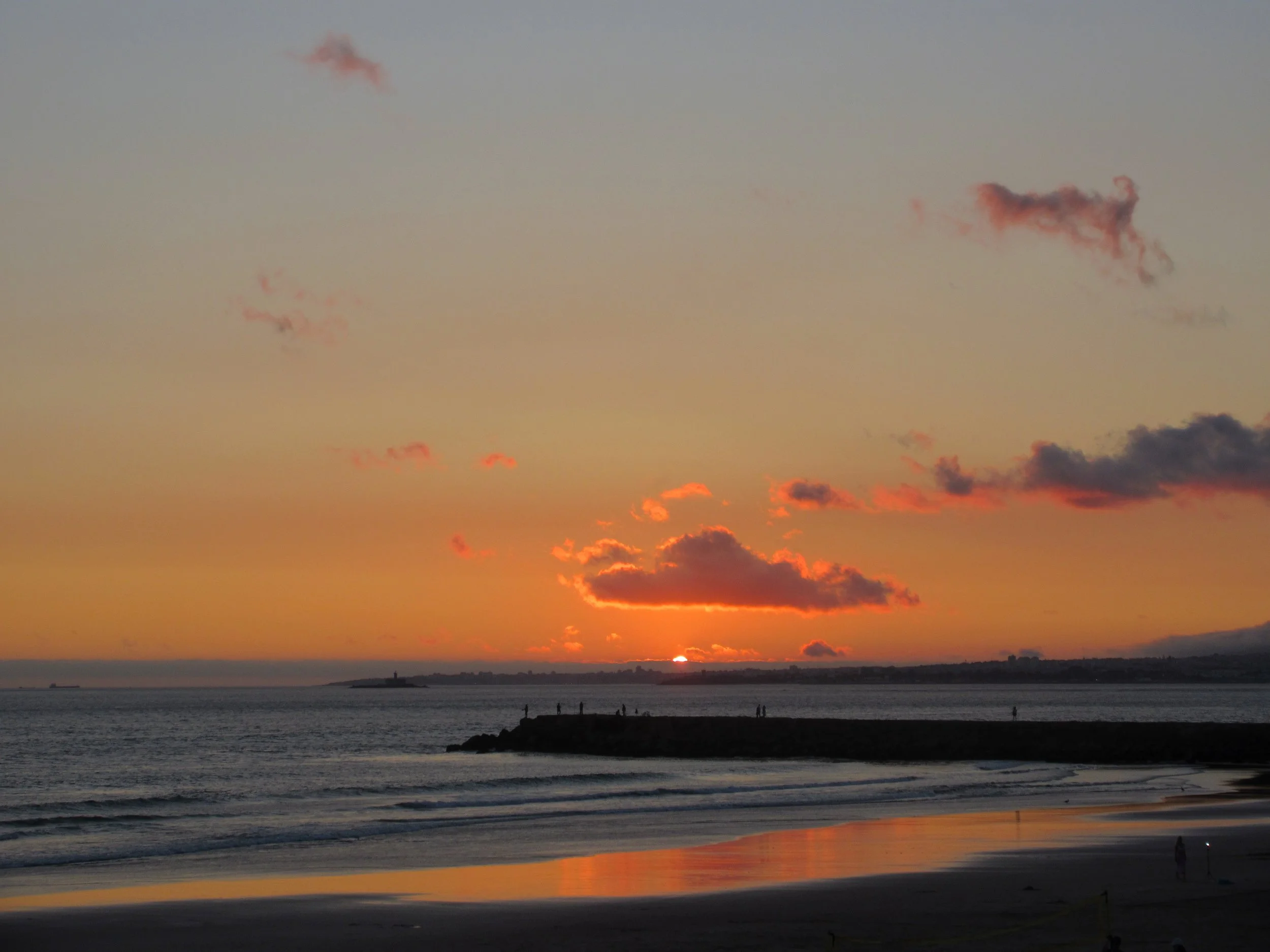
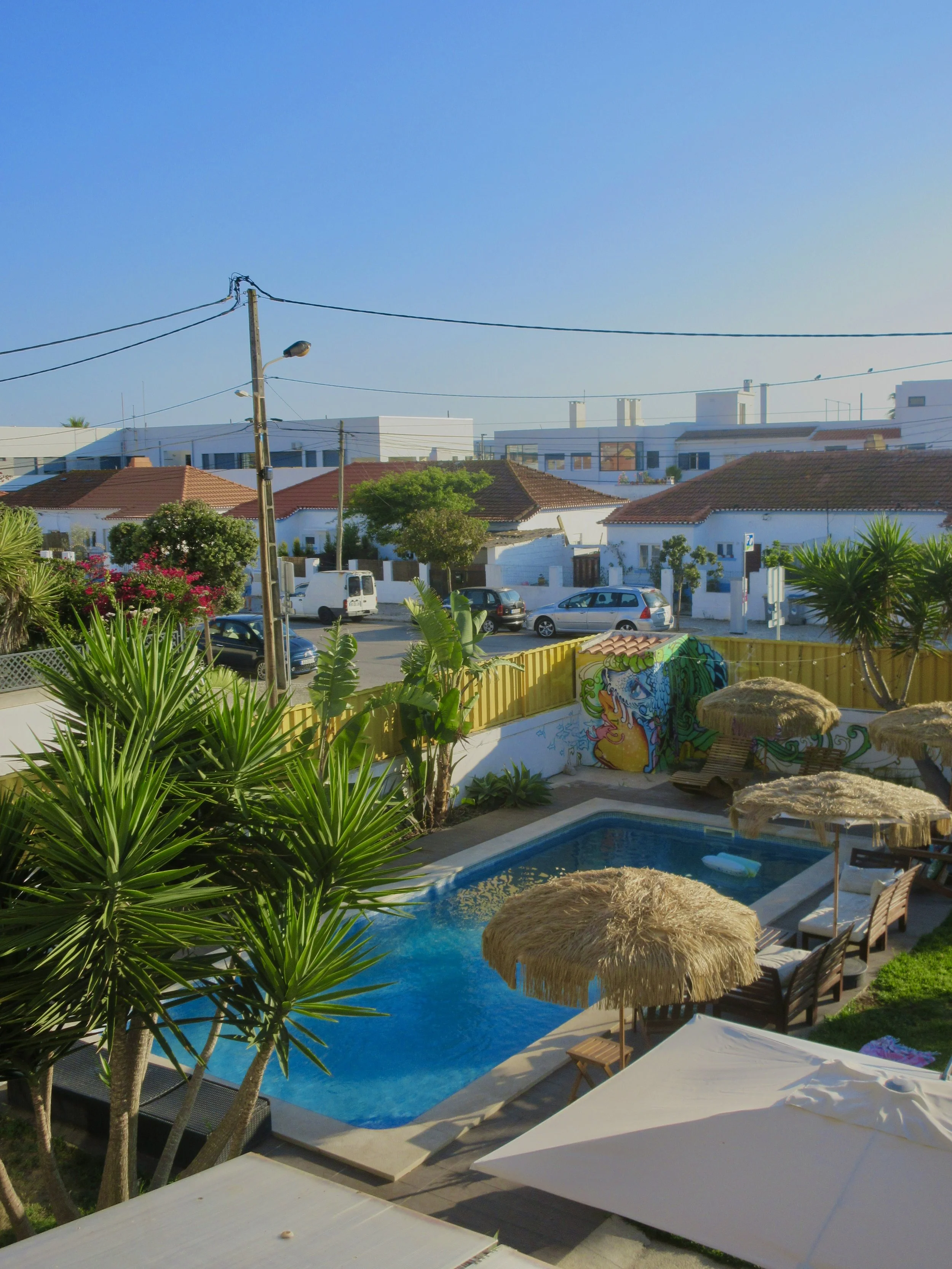
20 mins south of Portugal’s capital city, Lisbon, exists a quaint surf town lined by white beaches wetted by the Atlantic Ocean.
If you’ve ever been intrigued by the sport of surfing, this town is a perfect place to learn.
Though various hostels and hotels in the area are exclusively designed for surfers, standard accommodations typically offer discounted surfing lessons and equipment rental.
If you’re only stopping by for a day trip, they’ve got you covered with beginner and advanced lessons scheduled for walk-up participation directly on the beach.
Walkable and quiet, Costa da Caparica’s slow way of life offers a break from the bustling cities of Portugal, allowing a full emersion in local routines.
For a livelier taste of fresh seafood and nightlife, stop by Leblon Beach Club to enjoy a sunset view with authentic Portuguese cuisine.
Pro Tip: Purchase the Lisboa Card at the beginning of your stay to gain unlimited access to city transportation, free admission into museums, and discounted land/water tours.
3. Annecy, France
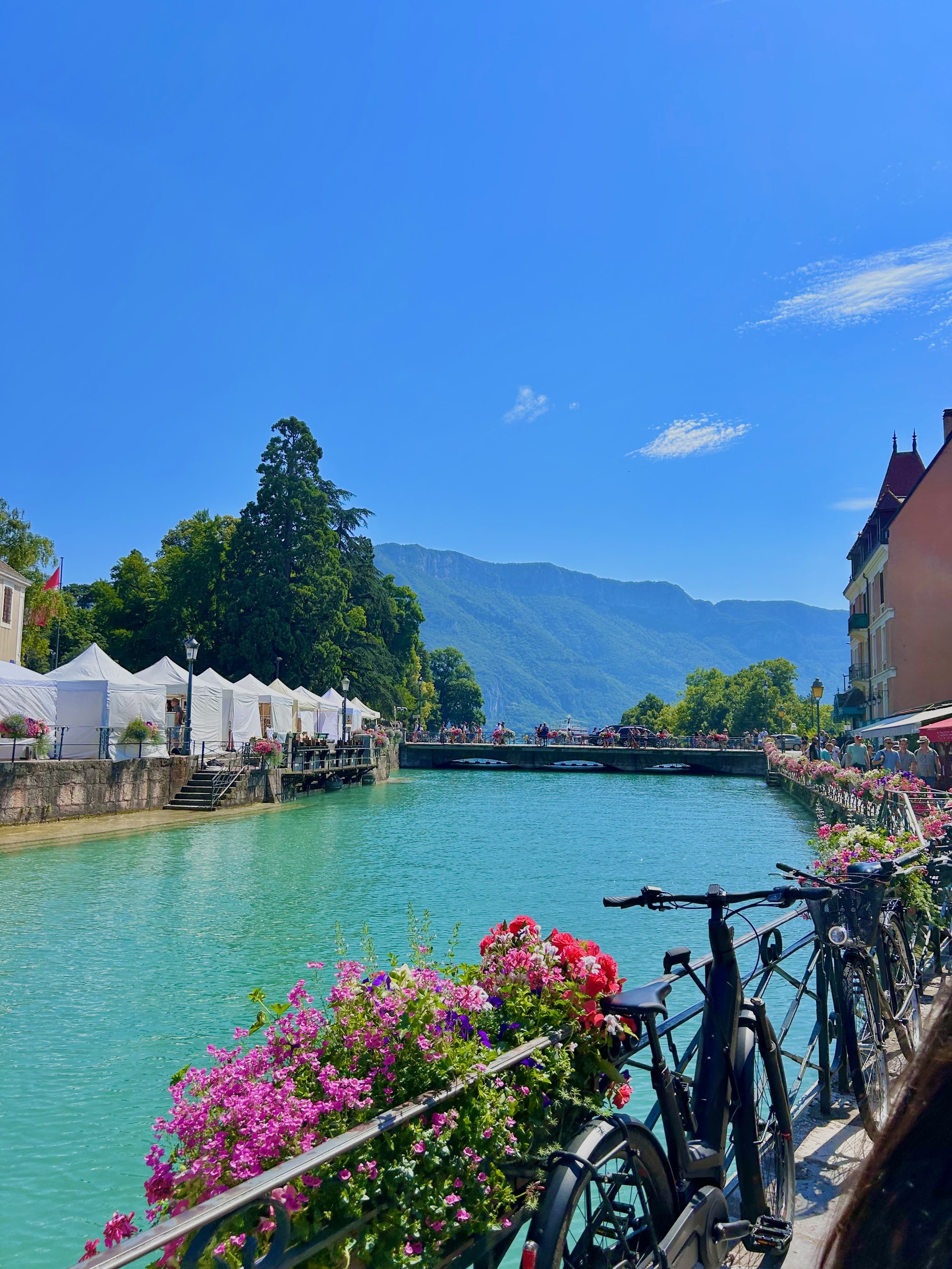
Just 45 minuets away from Geneva is Annecy, aptly coined the Vencie of France for its charming cannels.
Having been to both, Annecy takes medieval architecture and places it on a backdrop of vibrant turquoise lakes, towering mountains, and idyllic roadside cafés.
The blue waters of Lake Annecy offer ample opportunities for boat tours, canoeing, or picnicking along its bank. Water from Lake Annecy flows into the cities Old Town in narrow channels, reminiscent of Italy’s Venice.
Instead of gondolas, the channels in Annecy are dotted with elegant swans.
Aside from the idyllical scenery, Annecy lives up to its French history by offering a selection of famous chocolates and cheeses to sample—my favourite being sweets from Bruno Meyer Chocolatier—but if you find yourself trying these delicacies in hotter months, eat them before they melt (I speak from messy experiences).
4. Bern, Switzerland
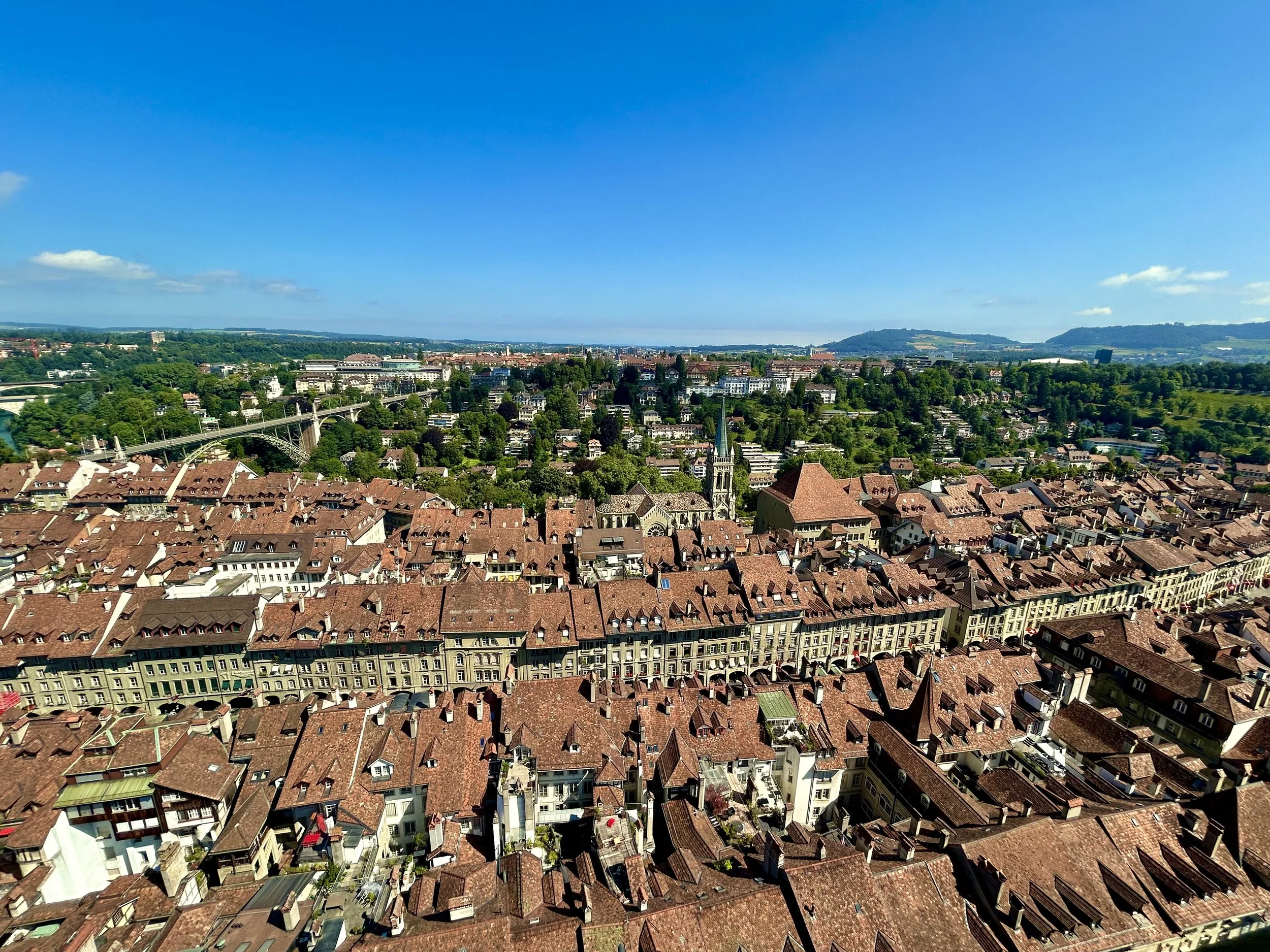
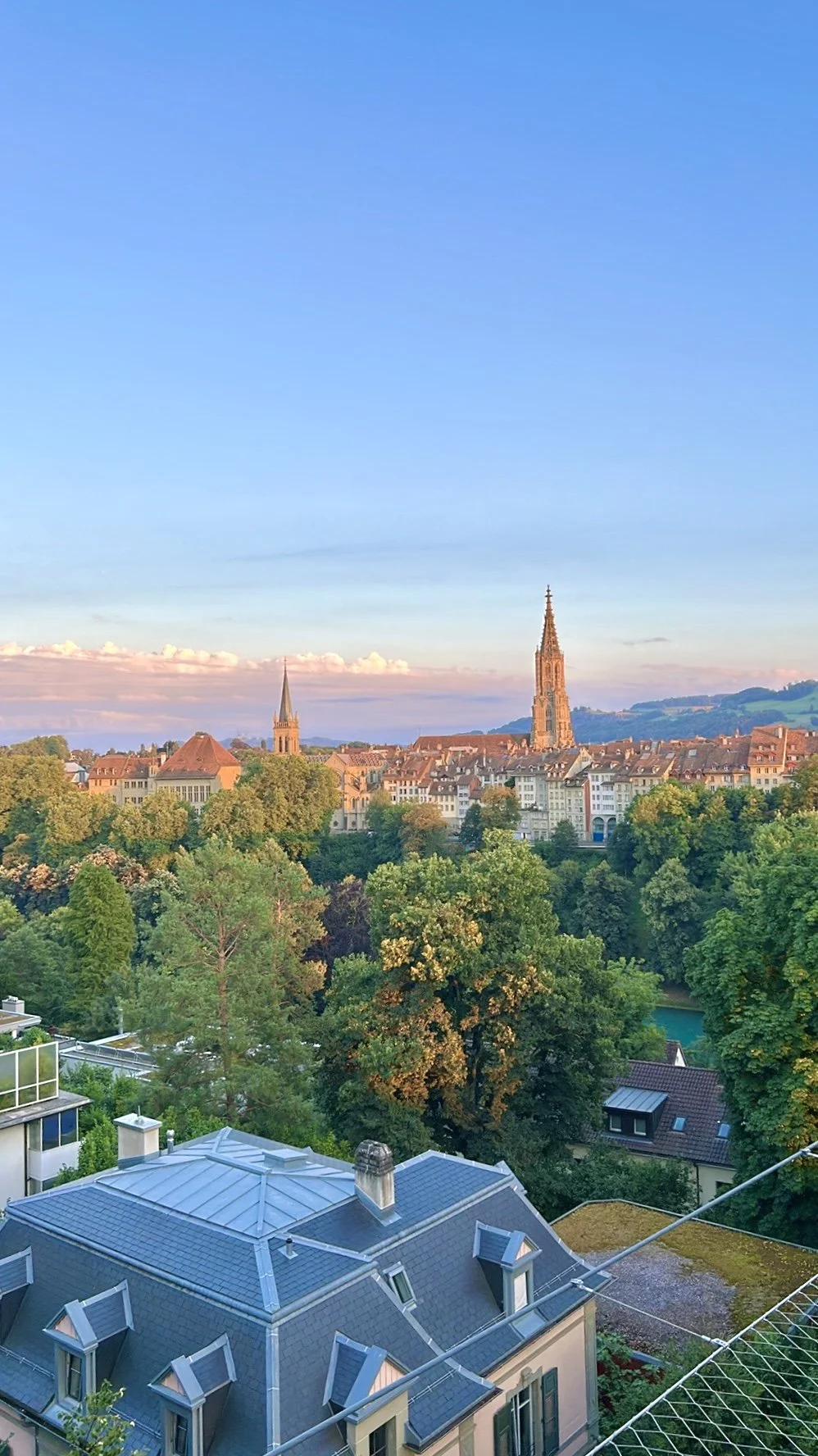
Two hours by train from Geneva, Bern is not only the capital city of Switzerland, but home to some of Europe’s most beautifully preserved medieval architecture.
Located in the Old City of Bern, the architecture is protected as a UNESCO World Heritage Site. Walking the glossy cobbled streets of Bern feels exiting a time machine, transporting you back in time.
Lining the streets of Bern’s Old Town are cellars—large wooden doors lined with black metal locks—built in the Middle Ages to store valuable resources, like grain, cured meats, and wine.
Today, these cellars house restaurants, shops, and other local businesses, offering a charming mirage of medieval and modern construction.
If you find yourself in Bern during the warmer months of summer, be sure to walk—or swim—along the Aare River.
Lining the city in a horse-shoe-shape, you’ll often see locals swimming home from work with their belongings in buoyant, waterproof bags.
For a picturesque view of Bern’s Old City and the Aare River, stop by The Cathedral of Bern and climb the narrow gothic tower.
5. Cascais, Portugal
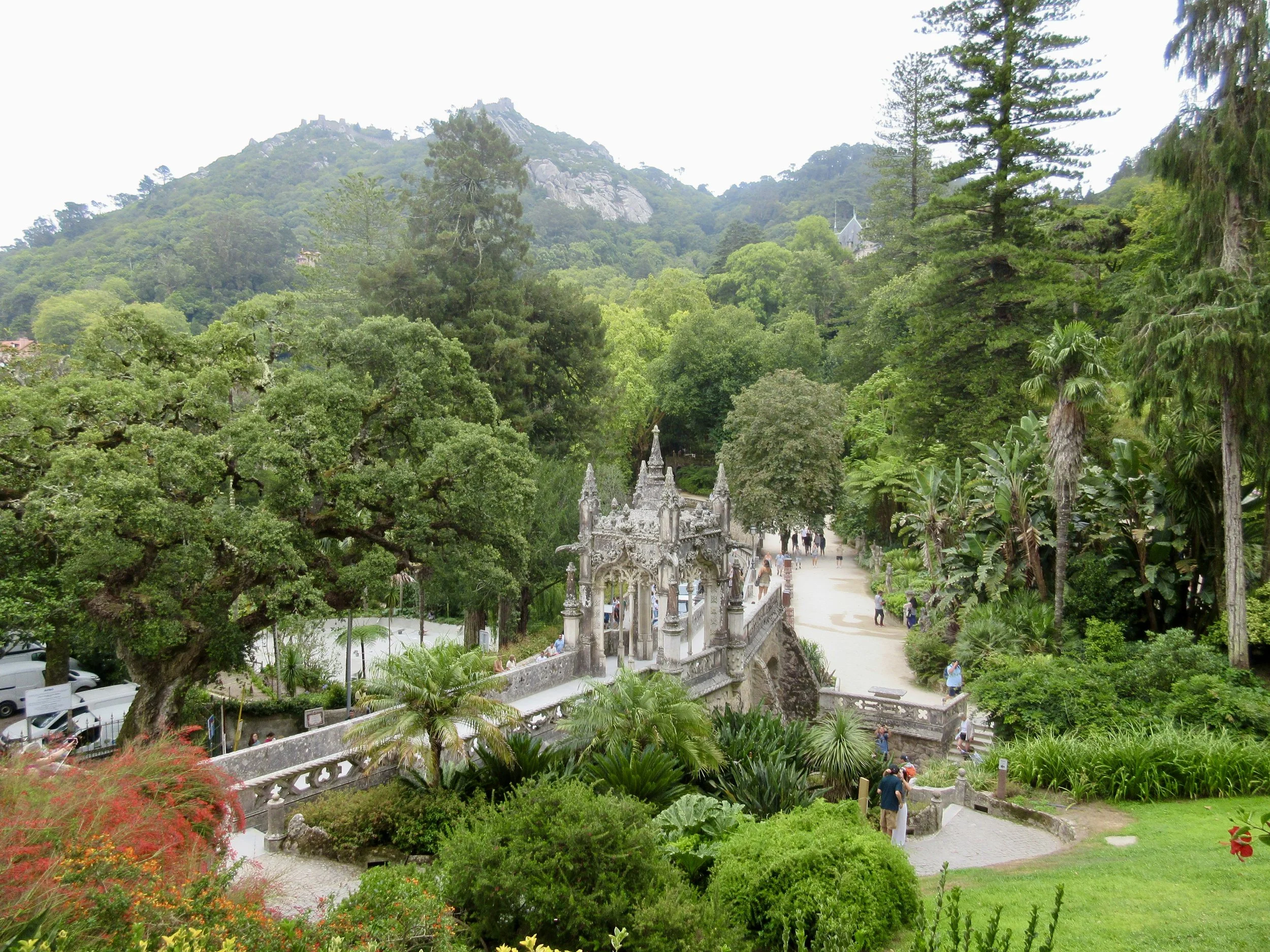
If you’ve done any research about visiting Lisbon, you’ve undoubtedly stumbled across the infamous Pena Palace in Sintra.
Half an hour away from Lisbon, the Pena Palace is a fairytale castle and museum in one, with gothic churches and architecture surrounding the gardens leading to the palace.
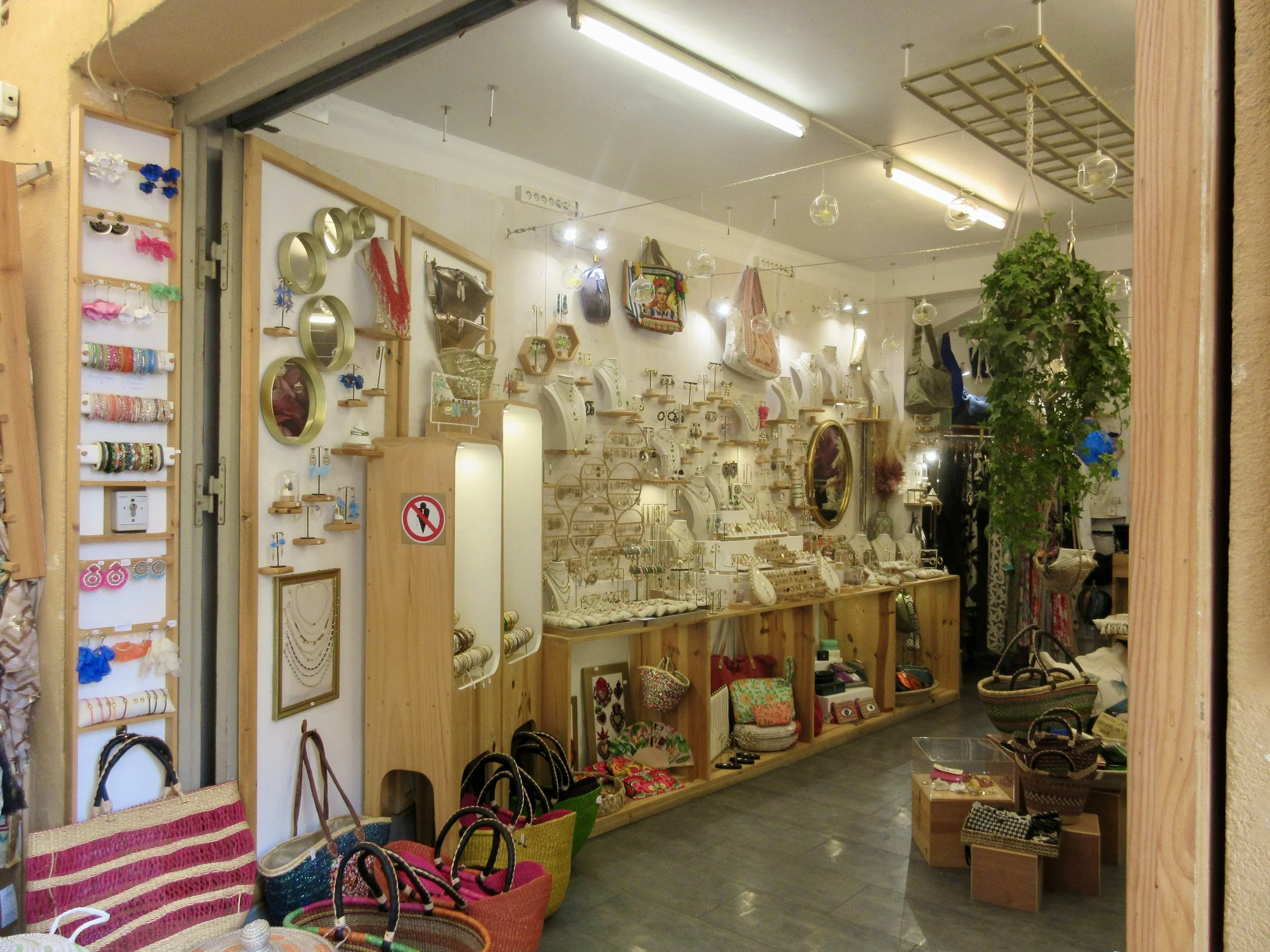
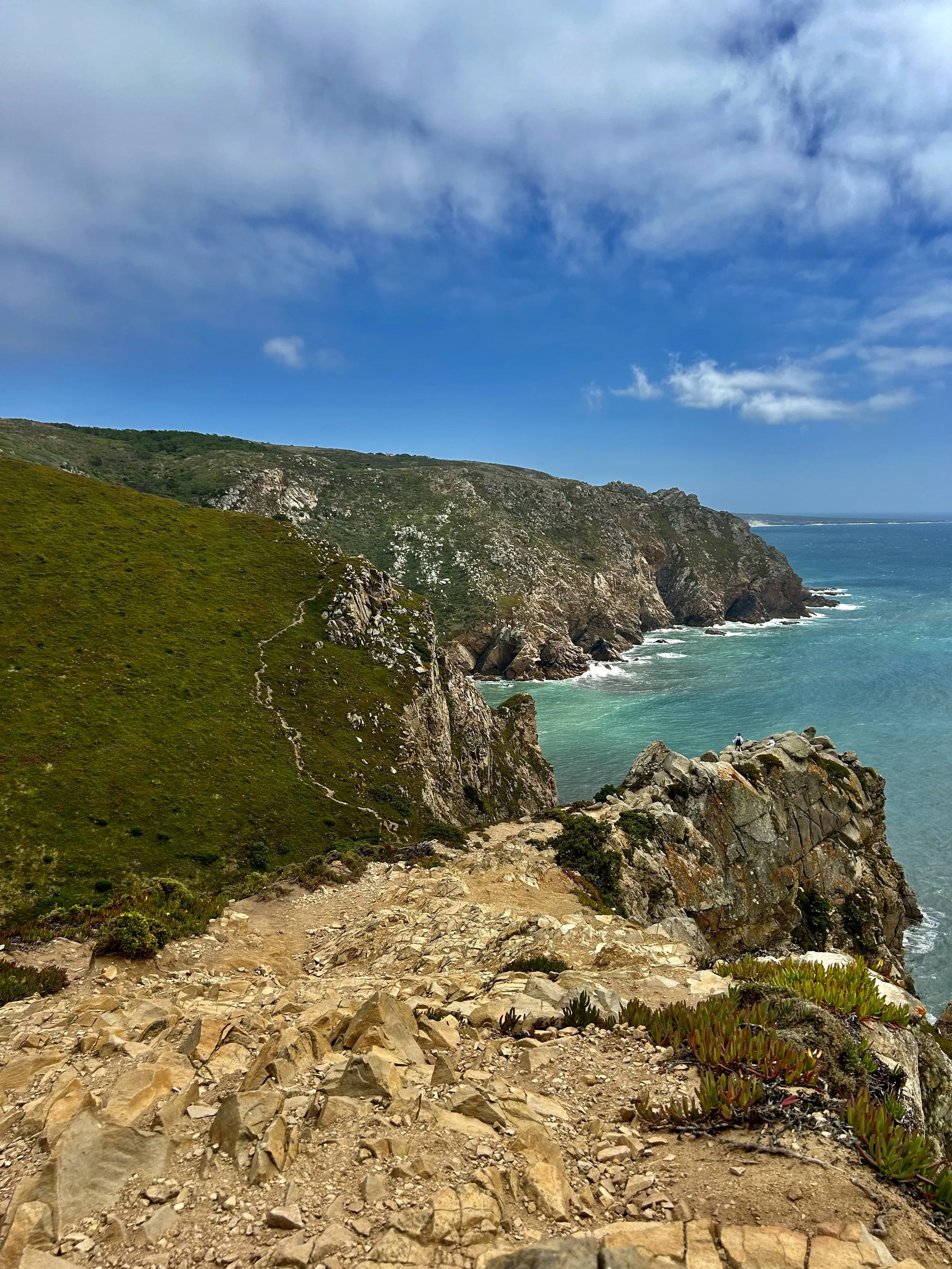
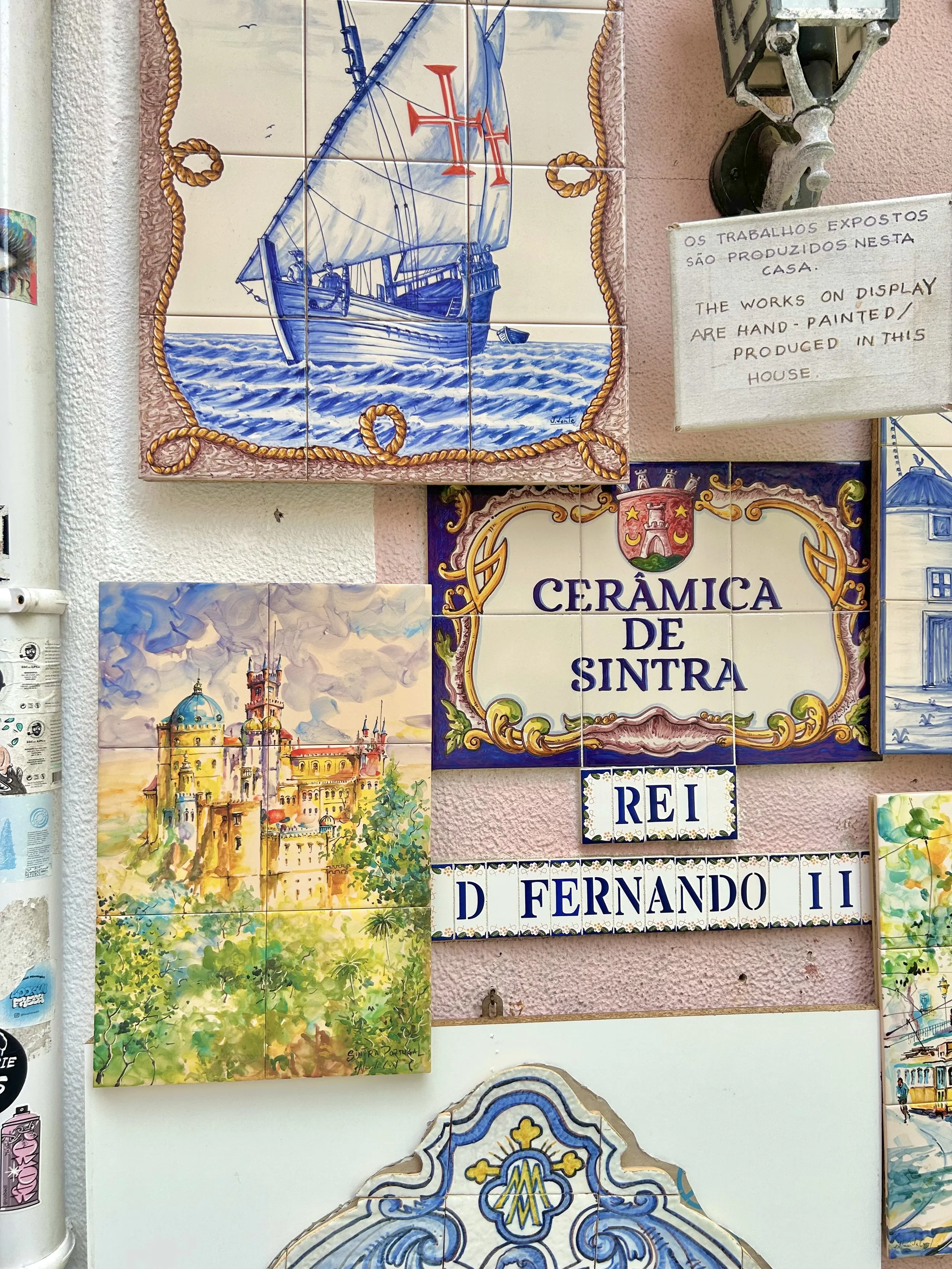
But only a twenty-minute walk from the Pena Palace is Cascais, a destination worth its spot in your itinerary. Aside from white beaches and an endless selection of locally curated pottery shops, Cascais is near Cabo da Roca, where a classic red-striped lighthouse is perched on steep cliffs overlooking the Atlantic Ocean crashing into boulders.
Standing on Cabo da Roca can only be described as knowing where the end of the world exists—the vastness of the ocean has never looked so grand.
Navigating the various attractions Cascais has to offer can be intimidating if it’s your first time.
I recommend GuruWalk for free walking tours not only in Portugal, but just about everywhere in the world.
GuruWalk connects you with locals who offer pay-what-you-want tours, and they’re a perfect way to become acquainted with a new city from the perspective of a local.
By Bibianna Everson.